

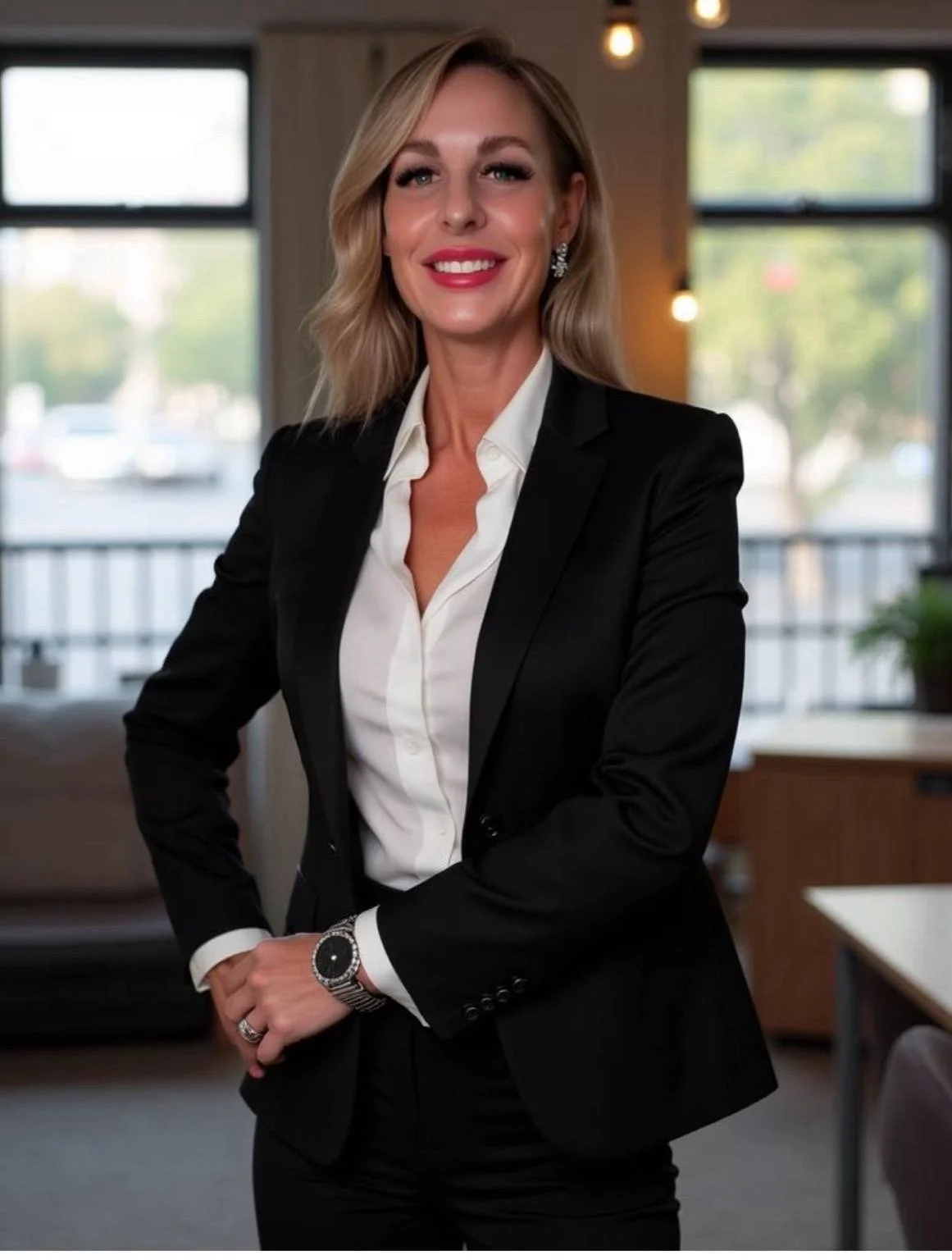
Informed by Experience, Guided by Insight:
Robin Michael Young
MFA, MA, LMFT
Robin Michael Young, MFA, MA, LMFT is a licensed marriage and family therapist in Colorado and North Carolina whose work is grounded in a person-centered approach to psychotherapy. Drawing from the work of Carl Rogers, her clinical philosophy emphasizes the importance of a collaborative therapeutic relationship built on respect, curiosity and careful attention to each person’s lived experience.
Within this relational foundation, Robin integrates systemic psychotherapy, mindfulness-informed perspectives and evidence-based approaches. Her work reflects a longstanding interest in both the scientific and contemplative dimensions of psychology, supporting clients in developing deeper insight and meaningful change.
Robin holds a Master of Arts in Counseling Psychology with a specialization in Creative Expression from the Institute of Transpersonal Psychology in Palo Alto, California (2014), and a Master of Fine Arts in Writing and Poetics with a concentration in Prose from Naropa University in Boulder, Colorado (2007).
Her clinical work began in 2012 and has included more than a decade of direct service with individuals, couples and families across intensive in-home programs, outpatient clinics and private practice. Over the course of her career, she has worked with clients from diverse backgrounds and referral contexts, including both civilian and military communities.
Robin also brings significant experience serving military families, including volunteer and professional work supporting Marine Corps and Special Forces communities.
Today, she works with individuals, couples and families navigating anxiety, depression, relational strain, grief and major life transitions. Her approach honors both scientific grounding and the deeper dimensions of human experience, creating a space that is practical, reflective and attentive to the whole person.
My Approach
My work is grounded in a person-centered and systemic perspective. Influenced by the work of Carl Rogers, I view the therapeutic relationship itself as central to meaningful change. I approach therapy with curiosity, respect, and careful attention to each person’s lived experience, recognizing that individuals exist within broader relational systems and life circumstances. Whether working with individuals or couples, concerns are understood within the context of those connections; no one exists in isolation.
In individual psychotherapy, I draw from Cognitive Behavioral Therapy (CBT), Dialectical Behavior Therapy (DBT), and Mindfulness-Based Cognitive Therapy (MBCT). These approaches support clients in observing patterns of thought and behavior, strengthening coping strategies, and developing practical skills that support emotional regulation and meaningful change.
In couples psychotherapy, I utilize Bowenian and Structural Family Systems perspectives alongside Gottman-informed tools for improving communication and reducing destructive conflict cycles. These frameworks support partners in understanding relational dynamics, strengthening communication, and building healthier patterns of interaction.
In family psychotherapy, I also draw from Bowenian and Structural Family Systems approaches to understand patterns of communication, roles, boundaries and intergenerational dynamics. The work focuses on helping family members recognize the patterns shaping their relationships, respond to conflict more thoughtfully and develop healthier ways of relating through periods of stress, transition or change.
I integrate Buddhist Psychological approaches and Transpersonal Psychology into my work wit individuals, couples and families. I invite clients to bring their spiritual practices and traditions into therapy so these sources of meaning and resilience can be part of the process rather than set aside. Sessions balance the practical and the reflective: a space to build tools, deepen awareness and engage the whole person.
Transpersonal psychology
Transpersonal psychology integrates evidence-based psychotherapy with perspectives from humanistic, existential and spiritual traditions. It emphasizes the integration of body, mind and spirit in the therapeutic process, exploring how mindfulness and meaning-making contribute to psychological health.
Transpersonal psychology expands traditional psychotherapy to include not only the mind and behavior, but also imagination and the deeper dimensions of human experience. It honors the whole person and explores how people find resilience, connection and direction in their lives.